This article may contain affiliate links. If you buy through them, Decorating Our Space may earn a small commission at no extra cost to you. Learn more.
My father taught me to paint a room in an order that never changes, and after redoing a few rooms out of sequence and regretting it, I understand why he was so strict about it. Paint is unforgiving toward shortcuts in order. Skip a step, or do steps out of sequence, and the mistake shows up later, often after the room is already put back together.
Clear and clean before anything else
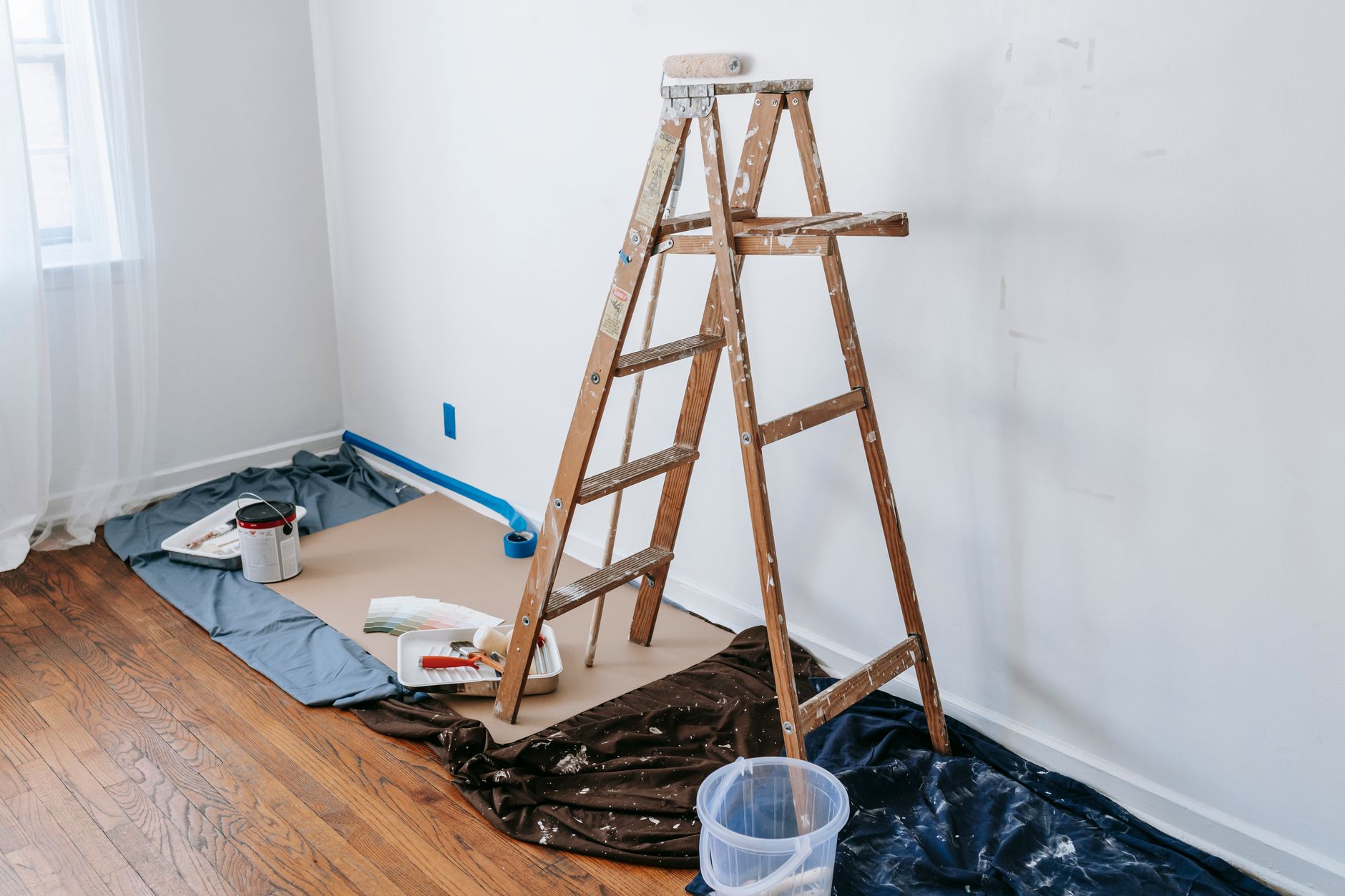
I move everything out of the room that I can, and push the rest into the center, covered with a drop cloth. Then I clean the walls, even when they look clean already. Dust and a faint layer of cooking oil or handprint residue sit on walls more than people expect, and paint doesn’t bond well over either one. I learned this after a patch of paint near a light switch kept looking slightly duller than the rest of the wall, because I’d skipped wiping down that one section.
Repairs come before any paint touches the wall
- Fill nail holes and small dents with spackle, then sand smooth once dry.
- Caulk any gaps between trim and wall, since paint will not hide a gap, only outline it more clearly.
- Sand any glossy old paint slightly, so the new coat has something to hold onto.
Ceiling first, if it’s being painted at all
If the ceiling needs paint, it goes first, before the walls. Drips and splatter from ceiling work land on the walls below, and it’s far easier to paint over that overspray with your wall color afterward than to protect the walls from it in advance. I skipped this order once in a small bathroom, painting the walls before the ceiling, and spent an extra hour touching up speckled ceiling paint off the top of the wall color.
Trim, then walls, in that order
Trim goes before walls, not after. Painting trim last means being extremely careful along every wall edge to avoid touching the trim, which is slow and rarely perfect. Painting trim first, then taping it off once it’s fully dry, means the wall color can be cut in against the tape without the same level of caution, since any small mistake gets covered by the tape line rather than left as a visible smudge on finished trim.
Order isn’t a formality. Each step either protects the next one or creates a problem for it.
Cut in before you roll
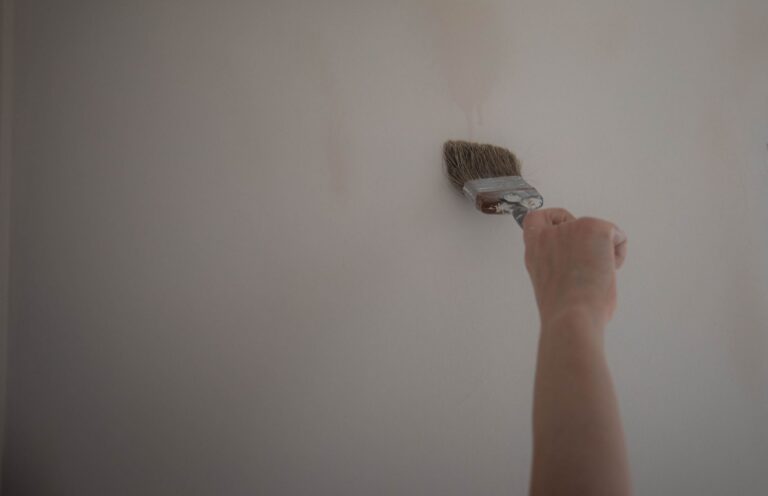
Within the wall stage itself, I cut in the edges with a brush first, along the ceiling line, corners, and trim, before rolling the open wall space. Cutting in after rolling means brushing over paint that’s already begun to dry at a different rate than the wet paint you’re adding next to it, which can leave a visible line where the two meet. Cutting in first, then rolling while the cut-in paint is still wet, blends the two application methods into one even surface.
Rolling technique matters more than people expect
- Load the roller evenly and roll off the excess on the tray before it touches the wall.
- Work in sections a few feet wide, rolling in a W pattern, then filling it in, rather than covering the whole wall in one pass.
- Keep a wet edge, meaning each new section overlaps the previous one slightly before it dries, to avoid visible seams between sections.
Two coats, with real drying time between them
I always plan for two coats, even with paint labeled as one-coat coverage. The first coat rarely looks even once dry, especially over a different base color, and rushing the second coat onto paint that isn’t fully dry can pull up the layer underneath rather than covering it cleanly. I check the paint can for dry time and add a little extra margin, since a cooler or more humid room dries slower than the can’s estimate assumes.
Cleanup before you’re tired
Tape comes off before the final coat is fully cured, usually while it’s still slightly tacky, since fully cured paint can peel away with the tape and leave a torn edge instead of a clean line. I set a timer now, because it’s easy to get distracted and pull the tape hours later than intended, right when the edge has hardened enough to tear.
None of these steps are difficult on their own. What makes a paint job look clean or look rushed is almost always the order they happened in, not the skill it took to do any single one of them.