This article may contain affiliate links. If you buy through them, Decorating Our Space may earn a small commission at no extra cost to you. Learn more.
Finishing a room in one weekend feels satisfying, and I understand the pull toward it. There is a specific kind of relief in walking away from a fully furnished space and calling it done. I stopped decorating this way years ago, after redoing the same guest bedroom three times in two years because everything I bought on move in weekend was a guess, not a decision informed by actually living in the space.
The first phase should only cover function
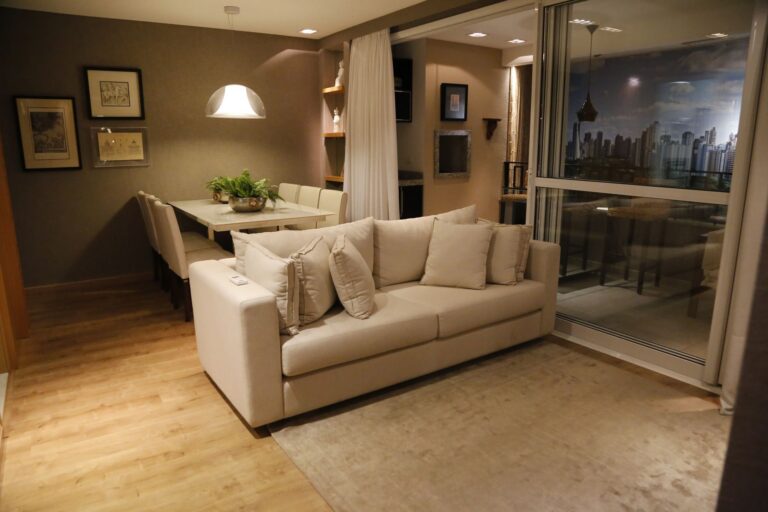
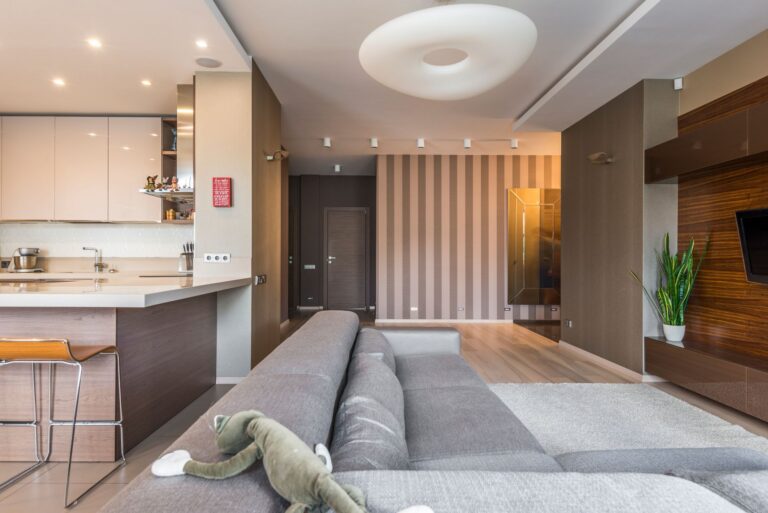
When I move into a new room, the first purchases I make cover pure function and nothing else. A bed to sleep in, a place to sit, adequate lighting to see by. No art, no decorative objects, no rug unless the floor is genuinely uncomfortable to walk on. This phase can look sparse and a little sad, and that is fine. The goal is a livable space, not a finished one.
The second phase comes from noticing, not planning
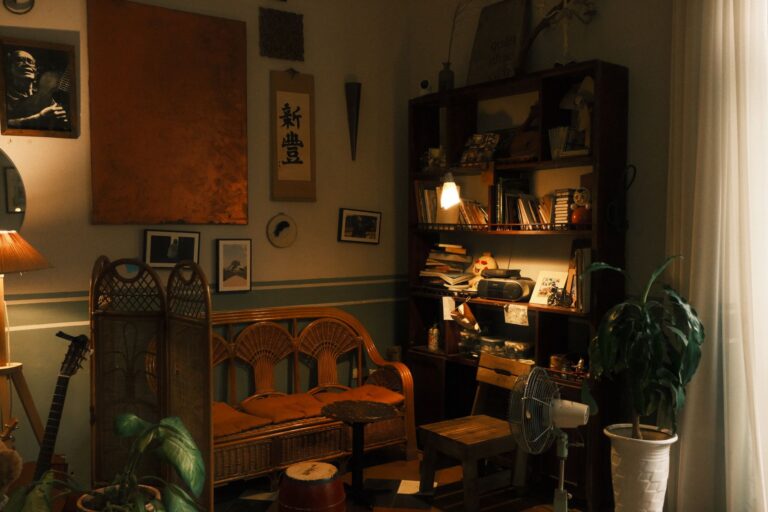
After living with the functional basics for several weeks, patterns start to show up that you could not have predicted from an empty room. You notice you always end up reading in one particular chair, so that chair needs a lamp nearby it does not currently have. You notice a corner stays cold in the evening and could use a rug. You notice you keep setting your coffee cup on the floor because there is no side table within reach of where you actually sit. These are not aesthetic observations. They are functional gaps revealed by actual use, and they tell you exactly what to buy next instead of leaving you guessing.
The third phase is where style enters
Only once a room works reliably do I start layering in art, textiles, and purely decorative objects. By this point I have spent enough time in the room to know its light at different times of day, which walls I actually look at while sitting down, and which surfaces collect clutter versus which stay clear. That knowledge changes what I choose. A piece of art that would have looked fine on an empty wall on day one might compete badly with light from a window I did not notice was so strong until I had lived there through a full season.
This approach costs more time, not necessarily more money
Decorating in phases is slower, but it rarely costs more, because you buy fewer things you end up returning or replacing.
People sometimes assume that decorating slowly is a luxury reserved for people who are not in a hurry to feel settled. I would push back on that. The redone guest bedroom I mentioned earlier cost more in total across three attempts than it would have cost to furnish once, correctly, over a longer period. Buying in phases means each purchase is informed by the ones before it, which reduces the number of expensive mistakes bought out of impatience.
How to tolerate an unfinished room without giving in
The hardest part of this approach is social, not practical. Having guests over to a room that still has a bare wall or a mismatched lamp can feel embarrassing, and the temptation to fill every gap before anyone visits is strong. I try to remind myself that a room finished under that kind of pressure usually reflects the pressure, not my actual taste, and I would rather have an honestly unfinished room than a rushed one I do not actually like a year later.
Phasing works for rooms you already furnished too
This approach is not only for a brand new room. I have applied it to rooms I already lived in for years, once I noticed the original furnishing had been rushed. Instead of replacing everything in a single pass, I pulled out one piece at a time, the piece I disliked most, and lived with the resulting gap for a few weeks before filling it. This slower revision process avoids the same trap as a first pass done too quickly, where a new purchase is chosen to fill a hole rather than chosen because it is actually right for the room. It also spreads the cost of a full room refresh across a longer stretch of time, which made it easier for me to justify spending more on the individual pieces that mattered, like a reading chair I use daily, instead of settling for a cheaper version bought under time pressure.
A rough timeline that has worked for me
- Weeks one through four: function only, nothing decorative
- Months two through four: fill functional gaps revealed by actual daily use
- Month four onward: add art, textiles, and purely decorative pieces
- Ongoing: replace anything bought out of impatience once you notice you do not actually like it
This is not a rigid schedule, and some rooms move faster or slower depending on how much furniture you already own going in. But the sequence itself, function first, then functional gaps, then style, has held up across every room I have furnished this way, and it has saved me from repeating my earlier mistake of decorating a room twice because I decorated it once too quickly.