This article may contain affiliate links. If you buy through them, Decorating Our Space may earn a small commission at no extra cost to you. Learn more.
I do not believe taste arrives as a sudden realization, the kind where you walk into a store and suddenly know who you are as a decorator. It gets built slowly from evidence, and most people never collect that evidence because they assume they should already know what they like before they start.
Style names are marketing, not a starting point
Terms like modern farmhouse, coastal grandmother, or mid century get used constantly, and I think they cause more confusion than clarity for beginners. These labels are retailer categories built to sell matching collections, not descriptions of how any specific person actually lives. Starting from a label means shopping to fit a category instead of noticing what you are actually drawn to. I would rather someone describe their taste in plain terms, like preferring rooms with visible wood grain and almost no shiny surfaces, than reach for a label that only loosely fits.
Track your reactions before you shop
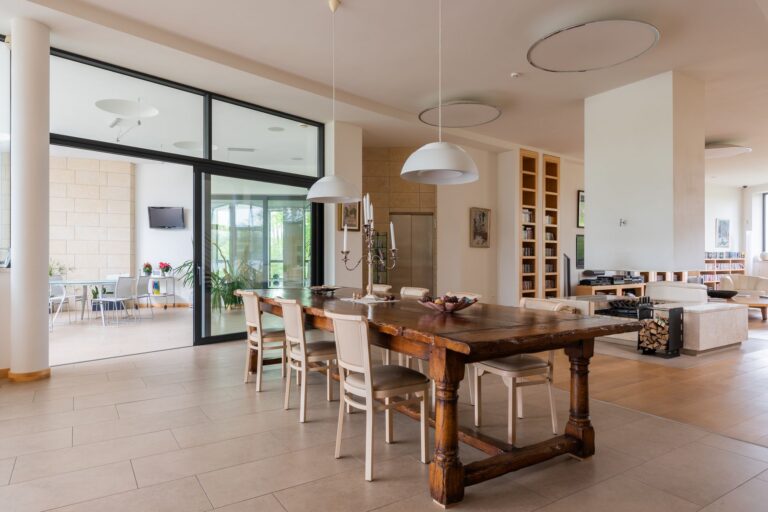
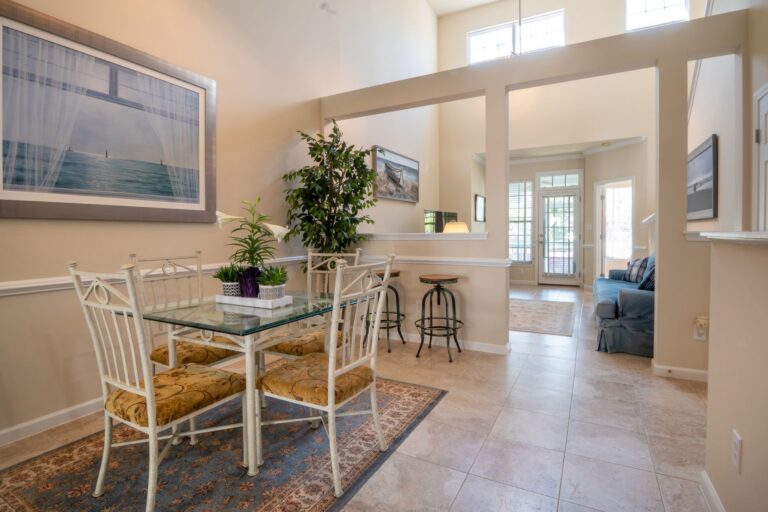
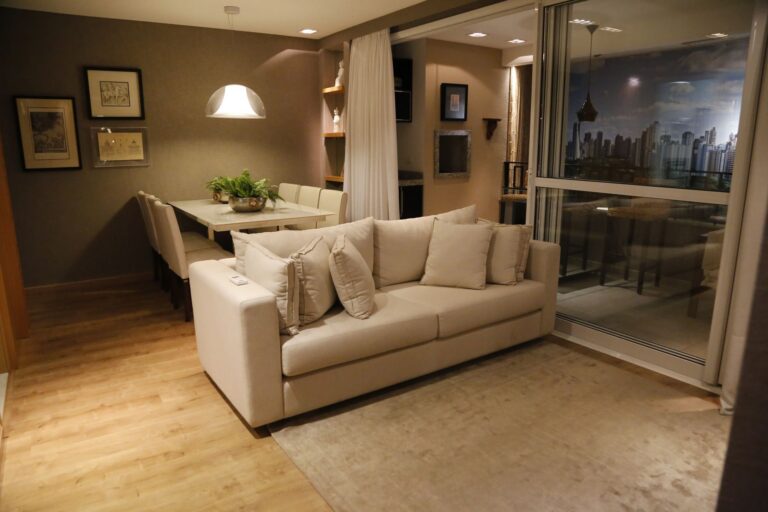
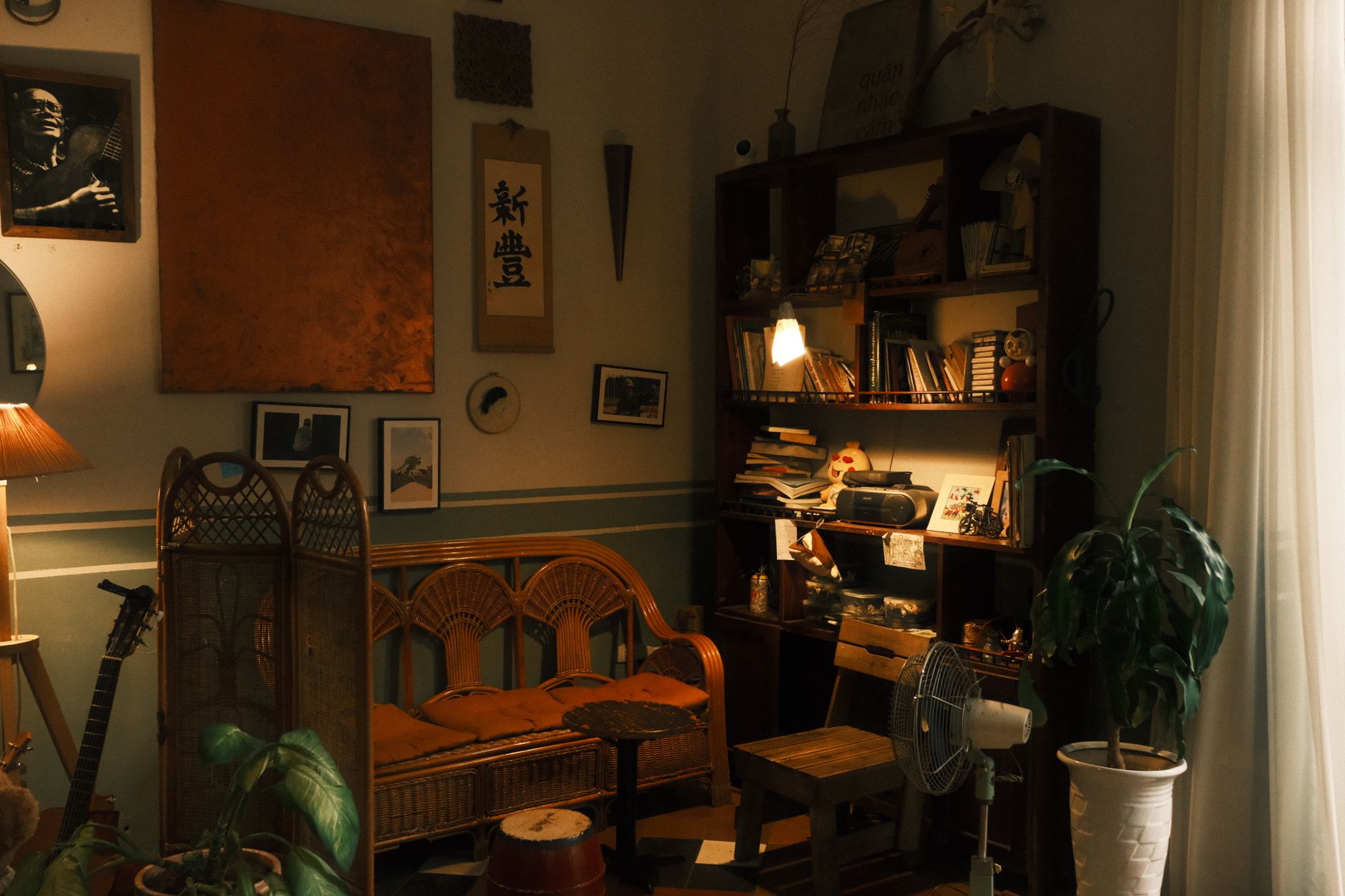
For at least a month before buying anything for a new room, save photos of spaces that catch your attention, whether from real homes, hotels, restaurants, or anywhere else. Do not filter them for whether they seem achievable or affordable. The point of this step is not to plan a purchase. It is to build a pool of unfiltered reactions you can study later.
After a month, go through the folder and look for repeated details rather than an overall theme. Maybe every photo you saved has a wood tone that leans warm rather than gray. Maybe every one avoids bright white walls. Maybe you keep saving rooms with visible texture, exposed brick, woven baskets, nubby fabric, even if the rooms are otherwise unrelated in style. These small repeated details are more reliable evidence of your taste than any single photo of a full room you loved.
Notice what you keep changing back
Your past decisions are also evidence. If you have repainted a room more than once, look at what you changed and what you kept. I have gone through three different accent walls in one bedroom over the years, but the same warm wood nightstands survived every version. That tells me the wood tone matters more to how I actually experience the room than the wall color does, even though the wall color felt like the bigger decision each time I made it.
Build slowly instead of buying a full room at once
A room furnished all at once from a single catalog rarely reflects anyone’s actual taste, because no real taste develops that fast.
Some of the rooms I like most in my own home took over a year to come together, piece by piece, because I waited until I found something I actually wanted rather than filling a gap with whatever matched. This is slower and occasionally more expensive per item, since you are not buying a discounted matching set. But it produces a room that looks assembled by a person rather than assigned by a catalog.
Ask what you are drawn to touch, not just look at
Visual taste gets most of the attention in decorating conversations, but texture matters just as much for how a room actually feels to live in. Do you gravitate toward smooth, cool surfaces, or toward things with visible weave and grain. Do you prefer a couch you sink into or one with a firmer, more structured seat. These physical preferences are harder to fake or borrow from a photo, and they tend to be more stable over time than color preferences, which shift more with trends.
A few questions worth actually answering
- What is the one item in your current home you would replace last, if everything else had to go
- Do the photos you save repeat a wood tone, a fabric texture, or a specific kind of light
- What have you changed back after trying something different, and what survived
- Do you prefer rooms that feel busy and layered, or rooms that feel spare and quiet
- Are you decorating for how a room will look in photos, or how it will feel to sit in at the end of a long day
None of these questions produce an instant answer. They produce a slower kind of clarity, built from your own patterns instead of borrowed from a label. That clarity is more durable, and in my experience it is also cheaper, because you stop buying things that fit a style you do not actually hold.