This article may contain affiliate links. If you buy through them, Decorating Our Space may earn a small commission at no extra cost to you. Learn more.
I painted my living room three times in two years before I understood what I was doing wrong. Each time I picked a color from a small chip at the store, held it under fluorescent lights, and decided it looked right. Each time it looked wrong on the wall. The chip was never the problem. My testing method was.
The chip is not the wall
A paint chip is roughly two inches square. A wall is not. Light behaves differently across a large surface than it does on a card you’re holding six inches from your face. Store lighting is almost never the lighting in your home. None of that is a flaw in the chip system. It just means a chip can only narrow your options, not confirm one.
I stopped trusting chips alone after a rental I lived in outside Columbus. I picked a soft gray for the bedroom from a chip that looked cool and calm. Painted, it read blue in the morning and almost lavender by evening. I lived with it for a year because repainting felt like too much work for a mistake I’d already paid for.
Sample size matters more than sample count
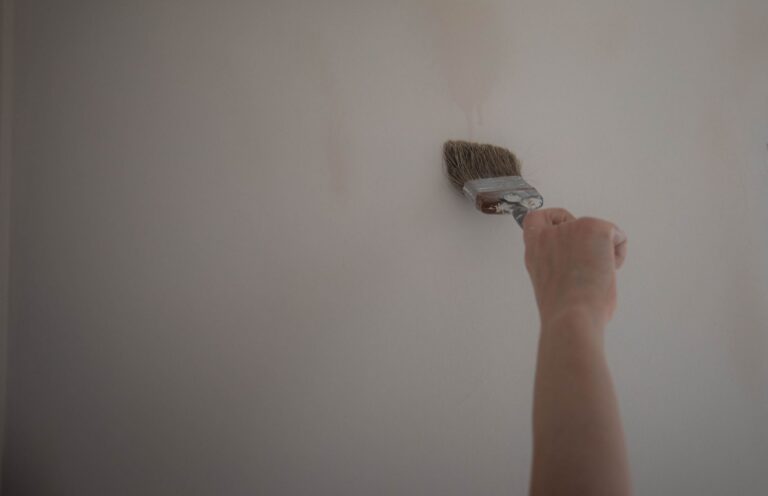
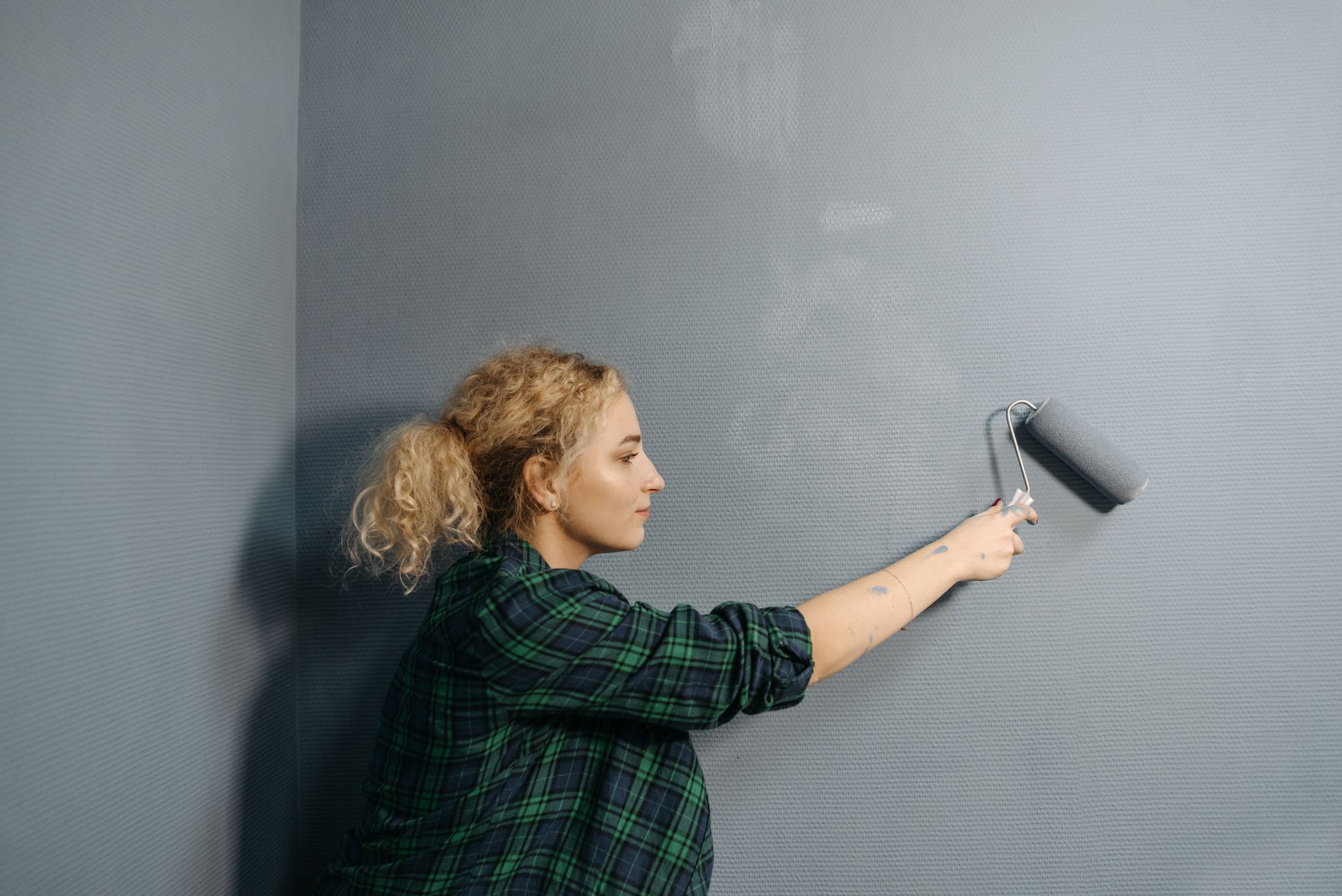
Buy the actual paint in sample size, not just chips. Then apply it in a patch at least two feet by two feet. Smaller than that and you’re still guessing, because color reads differently in a small square than it does across a wall. I use poster board now instead of painting directly on drywall, so I can move the sample around the room and check it against different walls without repainting each one.
- Paint two coats on the sample board, matching what you’ll actually do on the wall.
- Let it dry fully before judging it. Wet paint and dry paint are not the same color.
- Move the board to at least three spots in the room, including a corner and a wall opposite the main window.
Watch it across a full day
Check the sample in the morning, at midday, and after dark with your regular lights on. A color that looks balanced at noon can turn cold at night under a bulb with a high color temperature. My sister warned me about this before I painted her kitchen a pale green. Under her daylight bulbs it looked fresh. Under the warm bulbs she actually used every evening, it turned slightly institutional. We caught it because I made her sit in the kitchen after dinner with the sample taped to the cabinet, not because either of us has a special gift for this.
A color you only see once, in one light, is a guess wearing the costume of a decision.
Test next to what’s staying
Hold the sample against your flooring, your trim, and any large furniture piece that isn’t moving. A color can look perfect in isolation and clash the moment it sits next to your existing floor. I learned this the hard way with a warm beige that fought with a cool gray floor I wasn’t planning to replace. On its own the beige was fine. Next to the floor, the whole room felt slightly off, and I couldn’t say why until I put a floor sample under the paint chip and saw the mismatch directly.
Undertones show up under stress
Every color that reads neutral has an undertone hiding in it, usually a stronger, purer version of that color. You can find it by comparing the neutral against a plain white sheet of paper. Neutrals shift when you put something plain and pale next to them, and the true color underneath comes forward. It’s a quick trick and doesn’t require special tools. Paper works because it gives the color nothing to react against except itself.
Give it more than one glance
I now leave a sample up for at least four days before deciding. That’s long enough to see it in different weather, since an overcast morning and a bright one change how a color reads on the same wall. It’s also long enough for the initial reaction to fade, whether that reaction is enthusiasm or doubt. Paint decisions made in a single afternoon are the ones I’ve regretted most.
None of this is complicated. It just takes patience most people don’t expect a paint decision to require. A two-inch chip can tell you a color is in the right family. Only a real sample, in your real light, next to your real floor, over several real days, can tell you it’s the right color for that specific room.