This article may contain affiliate links. If you buy through them, Decorating Our Space may earn a small commission at no extra cost to you. Learn more.
I used the same shade of blue in two bedrooms in the same house, one facing north and one facing east. They do not look like the same color anymore. I know they came from the same can, because I bought a gallon and split it between both rooms to save money. That’s the only reason I’m certain the paint is identical. Looking at the walls alone, I would have guessed someone tinted a second batch.
North light flattens and cools
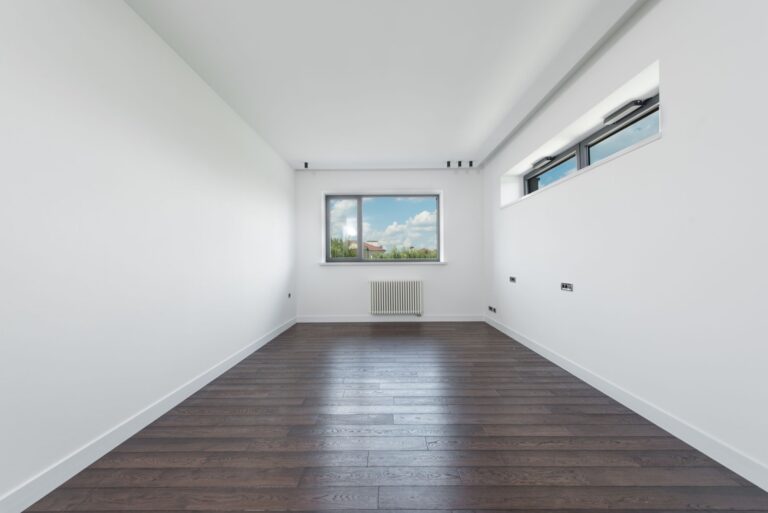
The north-facing room gets no direct sun at any point in the day. The light that reaches it is indirect, bounced in from the sky rather than beamed straight from the sun. That kind of light tends to sit on the cooler end and stays fairly even from morning to evening. My blue in that room reads closer to a gray-blue, quiet and a little subdued, all day long.
Rooms like this are unforgiving toward colors that already lean cool. A blue, a green, or a gray in a north room will often look a shade colder and a shade more muted than the same color looks on the paint sample outdoors. If I want a north-facing room to feel warm, I’ve learned to pick a color that already leans warm on the sample, not one that’s neutral and hoping the room will meet it halfway.
East light shifts through the day
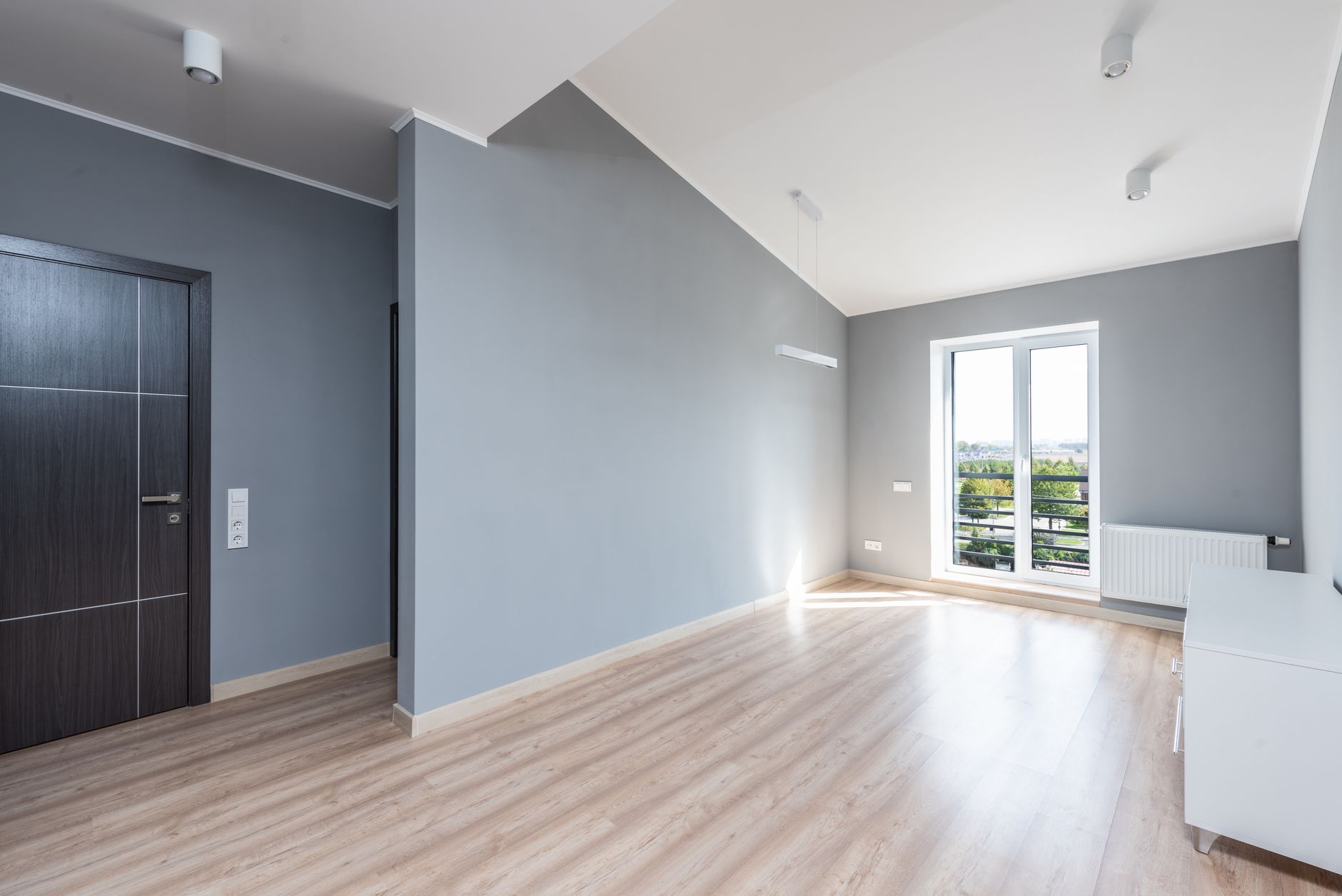
The east-facing bedroom gets direct sun for a few hours in the morning, then indirect light the rest of the day. That same blue looks brighter and slightly warmer right after sunrise, when direct light hits the wall, then settles into something closer to true blue by afternoon and evening. If I only judged this room in the morning, I’d have picked a color for a room that only exists for a few hours a day.
What I check now before choosing
- Which direction the main window faces, and whether anything outside blocks the light, like a neighboring wall or a tree.
- What time of day the room actually gets used most, since that’s the light the color needs to work in.
- Whether the room gets any direct sun at all, or only indirect daylight.
South and west rooms run warm
A south-facing room gets strong, fairly consistent light through most of the day, and it tends to make colors look brighter and warmer than they do on the sample. A west-facing room gets a similar effect concentrated into the afternoon and evening, when the light is often more golden. I painted a west-facing hallway a pale yellow once, thinking it would feel sunny. By five in the evening it looked closer to a warm gold, almost too rich for a narrow hallway. It wasn’t a bad color. It was the wrong color for how strongly that room amplifies warmth in the afternoon.
A room’s orientation decides the light. The light decides what the color actually becomes.
The same swatch, four different rooms
I’ve started keeping one sample board of a color I like and walking it through every room I’m considering, rather than assuming a color that worked in one room will behave the same in another. It rarely does. A gray that looked crisp and clean in my north-facing office looked slightly lifeless in a south-facing guest room, where the strong light seemed to wash the color out rather than bring it to life.
This isn’t about one orientation being better than another. Each one just asks something different of a color. North rooms ask a color to bring its own warmth, since the light won’t add any. South and west rooms ask a color to hold up under strong, warm light without turning overly saturated. East rooms ask a color to look right in two very different kinds of light within the same day.
What I do differently now
Before I choose a color, I now walk the room at three points in the day: morning, early afternoon, and evening with the lights on. I take a photo each time, on the same phone, in the same spot, so I have something to compare later instead of relying on memory. Memory tends to average things out. Photos show the actual range a color moves through in a single day, which is usually wider than people expect until they see it side by side.
The paint can never changes. The wall it lands on decides what it becomes.